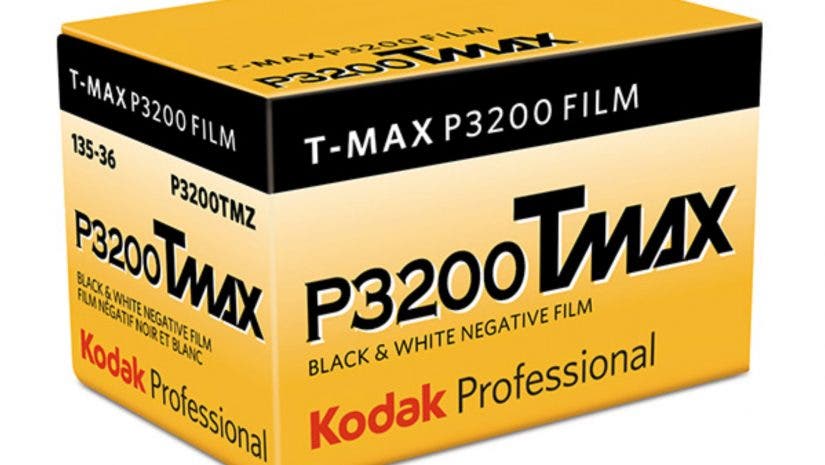
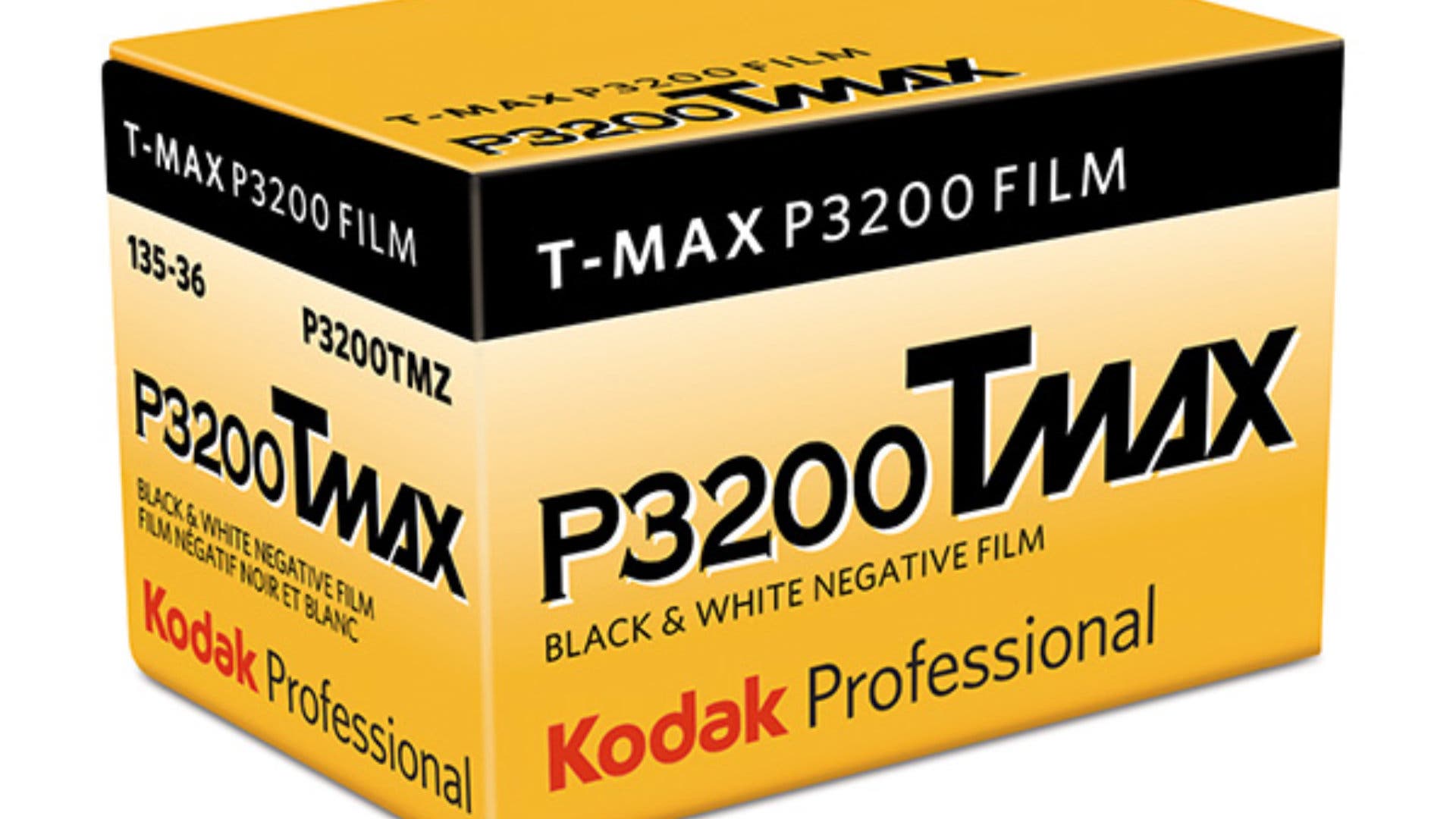
When Kodak Alaris (the film spinoff from the original Eastman Kodak as a result of Kodak’s bankruptcy in 2012) announced in February that it was re-launching Kodak T-Max P3200 Pro in 36-exposure 35mm rolls, it generated a joyous response amongst black-and-white film enthusiasts.
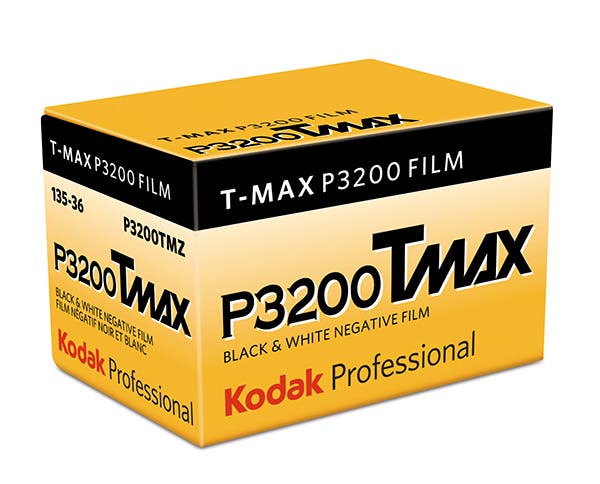
When it was introduced in 1986, the original T-Max P3200 was embraced by photojournalists working in low light as well as enthusiasts. The film has a base ISO of 800 but it is designed to be push-processed to ISO 3200 or even 6400. This effectively made it the fastest black-and-white consumer film on the planet.
The revival of T-Max P3200 comes approximately a year after Kodak Alaris announced it was bringing back Ektachrome slide film. But with digital photography so pervasive at this point, I wondered: “why now?” What else, if anything, is Kodak Alaris planning in the film world? To get answers—including the answer to the Big Question (“What about Kodachrome?”), we interviewed Thomas J. Mooney, Manager, Film Capture Business, Kodak Alaris.
Here are our questions, and his responses:
ALC: Who is your anticipated audience for T-Max 3200 Pro?
Kodak Alaris: P3200 should be a wonderful film for advanced amateurs, or anyone looking to try something different. This film is great for handheld street scene photography, night work, and for shooting in dimly lit venues where you can’t use flash. The look you get with this film’s classic grain structure is more akin to Tri-X than the other T-Max films.
ALC: Is the re-introduction of T-Max 3200 Pro and Ektachrome Pro last year a reflection of renewed interest in film photography? Was it a response to consumer demand/requests?
Kodak Alaris: Yes, indeed. Both these films tap into the resurgence of analog photography. We will continue to look at options as the market evolves.
ALC: Also, are there any differences in the formula for the new T-Max P3200 Pro vs. the original, or is it the same emulsion?
Kodak Alaris: It’s basically the same emulsion, but re-engineered to coat in smaller batch sizes that better align with today’s market.
ALC: Is there a timeline for additional film revivals down the road?
Kodak Alaris: While there’s no specific timeline, we continue to look for opportunities to expand our portfolio. Bringing back an emulsion from bygone days is not always as simple as you might think. Many older products need to be reformulated given changes in the manufacturing process and/or EH&S (Environment, Health and Safety) regulations.
ALC: OK, here’s the big question on many peoples’ minds. Will Kodachrome be revived?
Kodak Alaris: Despite all its terrific features, Kodachrome involves a highly complex film development process (K-14) that is just not practical to try to replicate in the market today. Dwayne’s Photo was the last lab to develop Kodachrome film, and their equipment has been completely dismantled.
Kodak Alaris T-Max P3200, with the emulsion code TMZ, is expected to be available later this month.