Dynamic range is one of the most important, yet least understood features to keep in mind when buying a digital camera. If you’ve ever gotten home to realize that you’ve lost the details in the bright sky in your image and the foreground seems to be too dark, you’ve experienced dynamic range.
What is Dynamic Range?
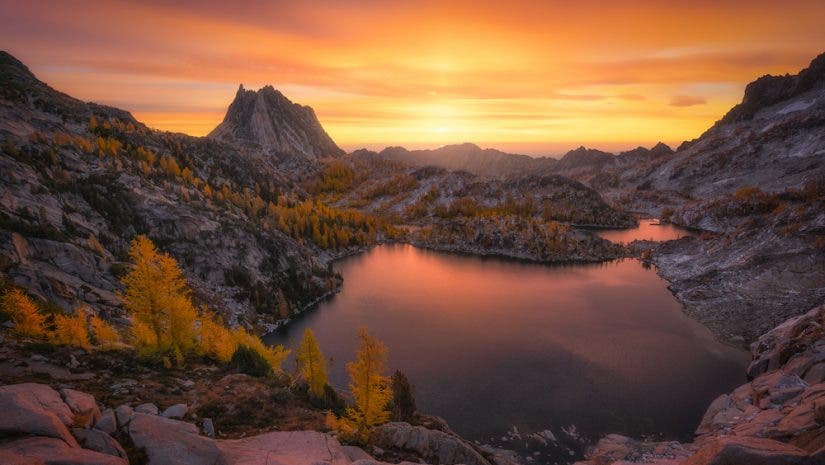
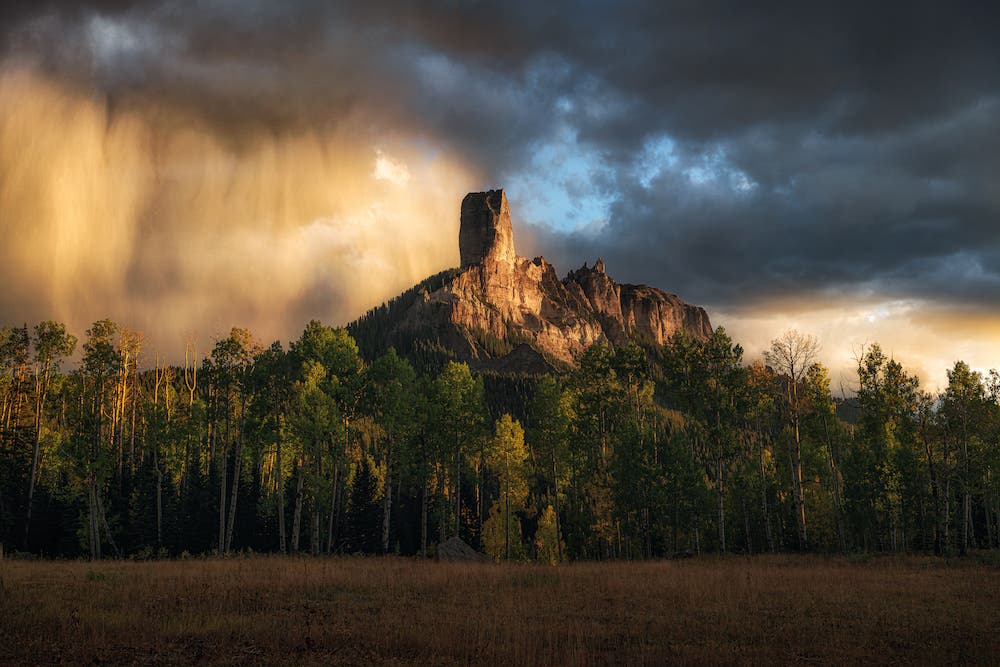
Essentially, dynamic range is how far the brightest spots in your image can vary from the darkest spots in your image and still maintain proper details in a single exposure. The more you have, the more you can capture scenes with a great contrast between lights and darks. This often comes into play when shooting sunsets and sunrises since the sky is usually bright and the foreground is usually dark.
Why is it Important to Consider Dynamic Range?
Dynamic range should be considered when purchasing a new camera. Cameras with a higher range are generally more expensive. Although, it will be better for photographers who wish to capture scenes with a great deal of contrast. Photographers that capture scenes without much contrast can choose a camera that offers less dynamic range.
When you’re in the field, consider how much dynamic range your camera has when taking an image and adjust your settings accordingly. To maintain the details in both the highlights and shadows of an image, you’ll need to make sure your exposure isn’t too dark or bright. If you overexpose your image, you will lose details in the highlights. If you underexpose your image, you’ll lose detail in the shadows.
Tips for Achieving Great Dynamic Range
As mentioned before, the best thing you can do to achieve great dynamic range is to purchase a high-end camera. However, this might not always be possible. Here are a few more tips to help you capture images with a high dynamic range.
Bracket and HDR Your Images
Learn to bracket your images and combine them in post-processing using a HDR blend. This can help you achieve a very high dynamic range. This technique involves shooting multiple images in the field at different exposures, and then combining them. Usually, you’d take one image that is overexposed, one that is properly exposed, and one that is underexposed. Then, you can combine these images. The highlights will be taken from the underexposed image. The shadows will be taken from the overexposed image to give you a very high range.
Avoid Shooting Directly into the Sun
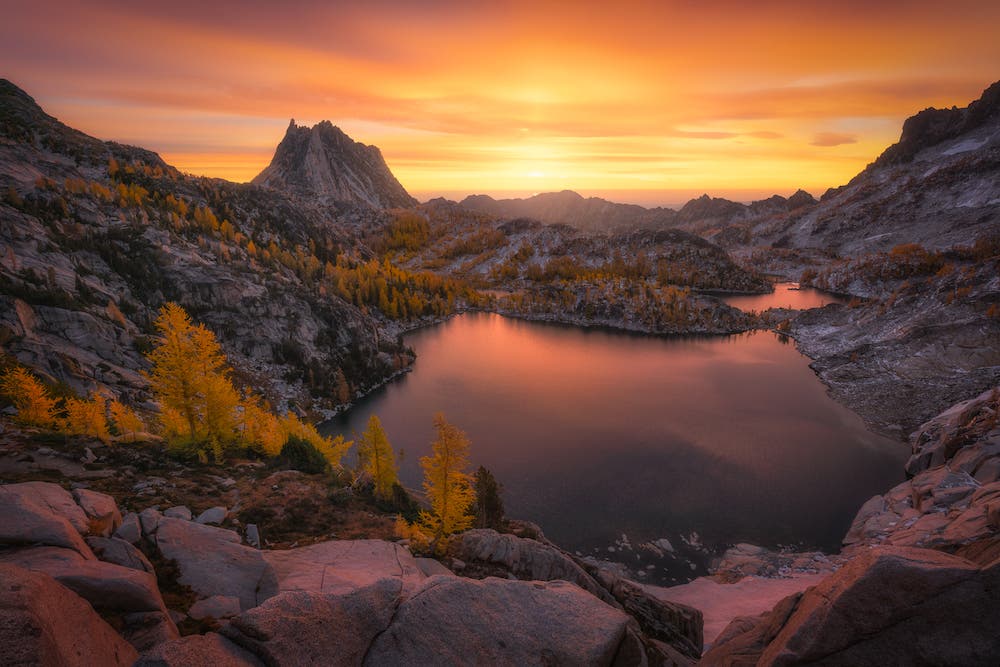
I love shooting into the sun. Although, if you are trying to achieve a high dynamic range, avoid doing this at all costs. The sun is obviously very bright. To properly expose the sun, you must have a very fast exposure. This nearly guarantees that everything else in your frame will be far too dark. On the other hand, you could expose your image for everything else in the scene, but then the sun will be overexposed and you’ll lose detail.
Expose to the Right
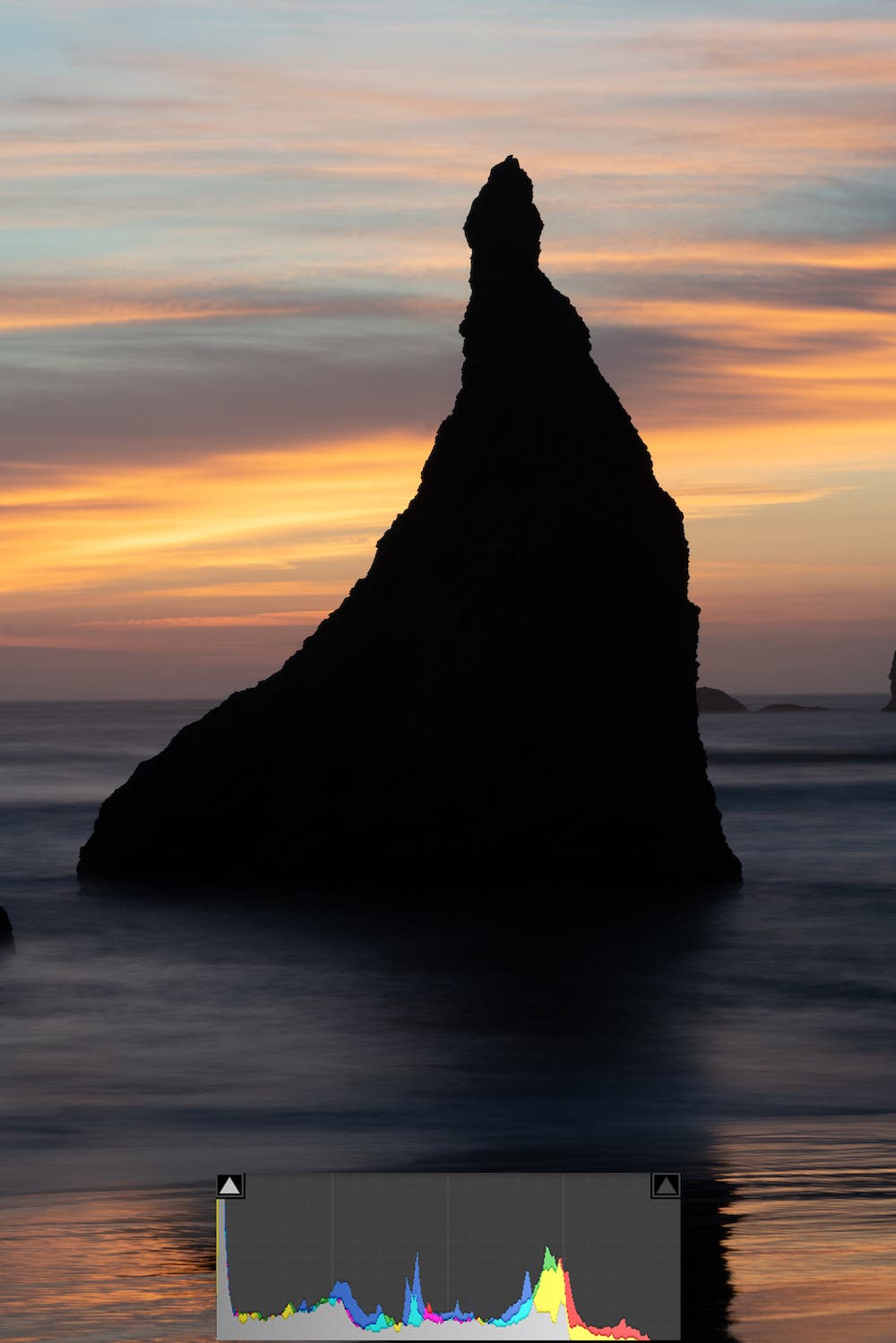
Expose to the right is a term used by many photographers. This technique involves using the histogram to expose your image. If you don’t know how to use a histogram, you’ll need to learn first before you can explore this technique. Essentially, exposing to the right means that you increase your exposure as far as possible until the right side of the histogram begins to gain value. Then, you’ll lower the exposure slightly and take your photo. This guarantees that you’ll have the longest exposure possible without losing details in the highlights.
Focus on the Highlights
Use the previous technique to make sure you don’t lose details in the highlights. You want to focus on having a proper exposure for the highlights, as they are much more important than the shadows. When highlights are blown out (overexposed), you’ll lose all detail and no matter how much you lower the exposure, the highlights will remain totally white with no detail or color. However, if you underexpose the shadows, you can usually slightly bring them up. In addition, it is much easier on the eyes to have dark shadows with no detail than bright highlights missing details. It is normal for the eye to lose details in the dark shadows, but not in the bright highlights.
Mastering dynamic range takes time, but it is a necessary step if you want to further your photography. Try taking photos of scenes with a high dynamic range and learn the limitations of your camera. You can also use some of the tips above to extend your dynamic range if you don’t have a high-end camera. When you fully understand dynamic range, you’ll be able to create images that harness great detail between the highlights, shadows, and everything in between.