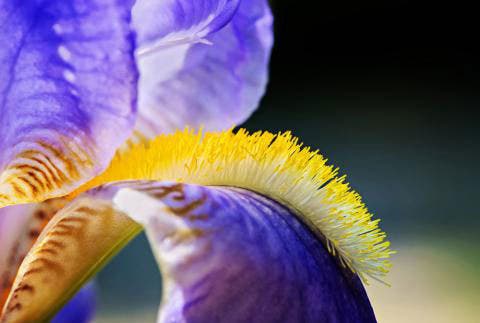
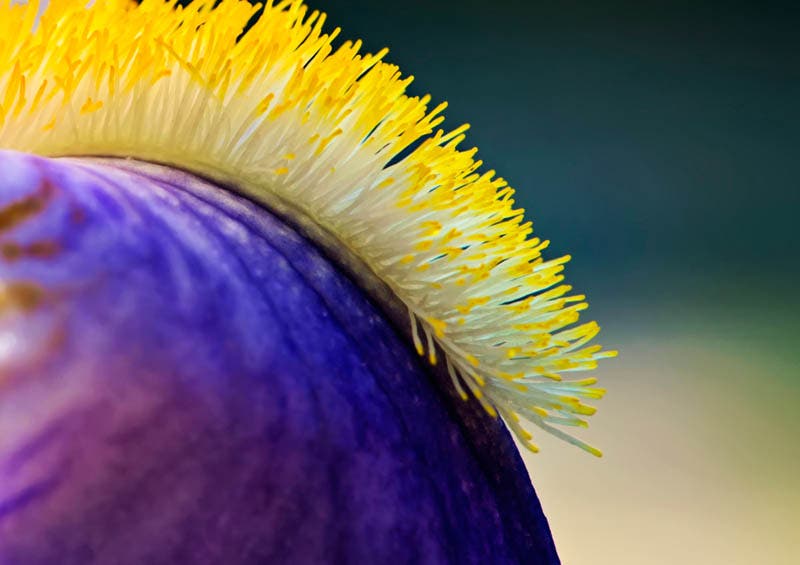
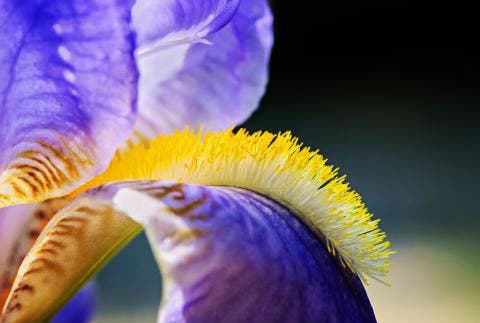
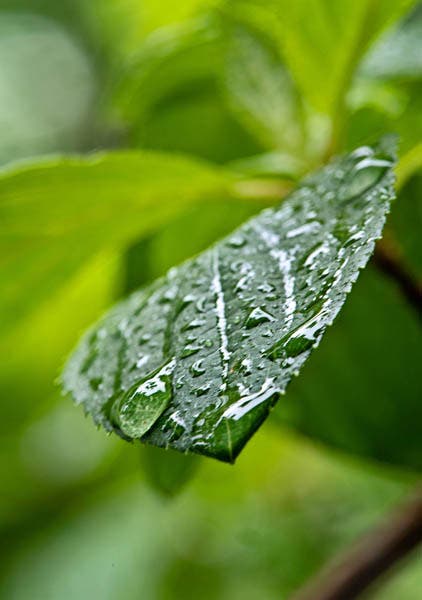
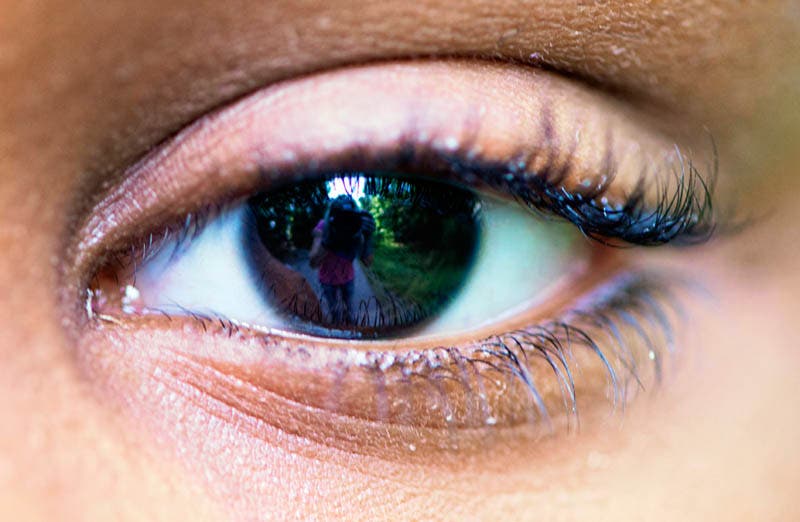
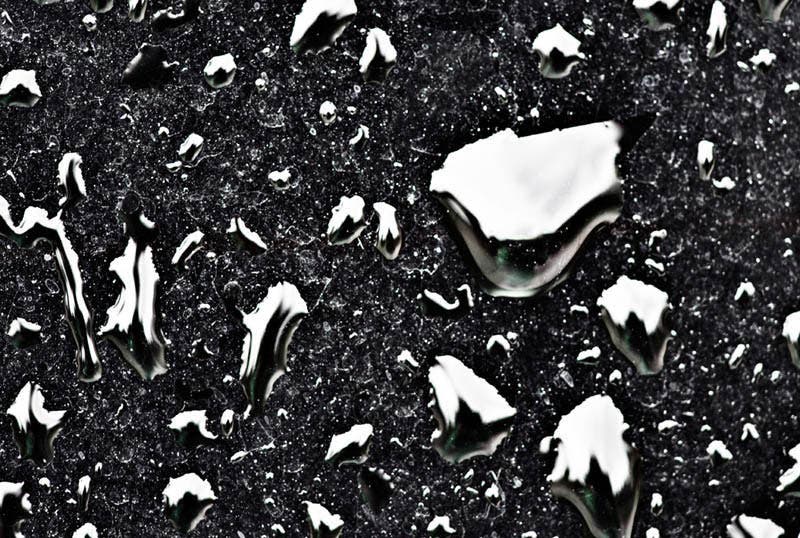
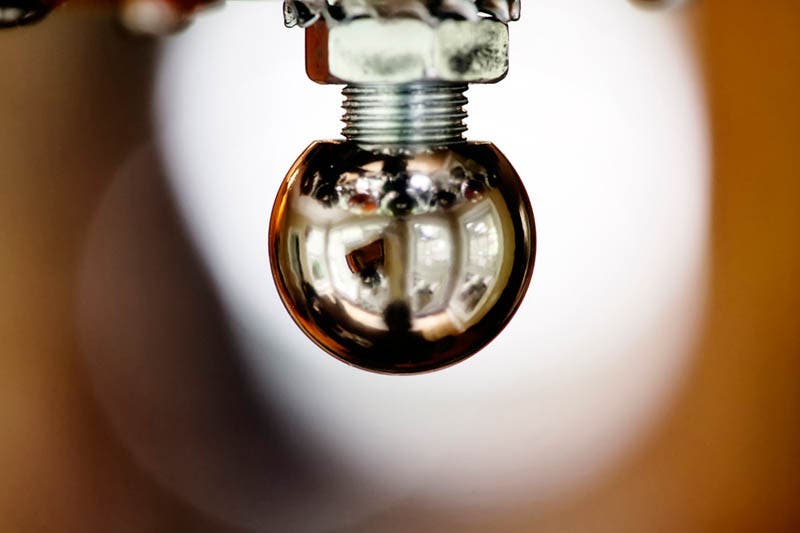
Spring is a rather spectacular season in many regards, but certainly from a visual perspective. With so much bursting into life, one of the most incredible ways to photograph it is by way of macro photography.Macro photography, of course, is the art of photographing objects extremely close-up. Great macro subjects are usually smaller objects, but sometimes they are simply smaller pieces of a larger subject, magnified and showcased. Striking subjects to photograph include flowers, leaves, bugs, raindrops, jewelry, detailed textures and patterns, eyes, baby fingers and toes – the list goes on and on. Basically, everyday objects can look far more striking when photographed at a 1 to 1 ratio. That being said, there can be challenges involved in macro photography.
Here are ten tips to keep in mind when photographing macro objects. Hopefully these will help you eliminate common challenges, so you can not only take better photographs but also better enjoy the experience of macro photography:
1. Use manual focus to get started.
Often, when you are shooting extremely close to your subject, autofocus can “hunt” for a while. Manually focusing first, and then switching to autofocus if even needed, can help you nail your focus faster.
2. Steady your camera.
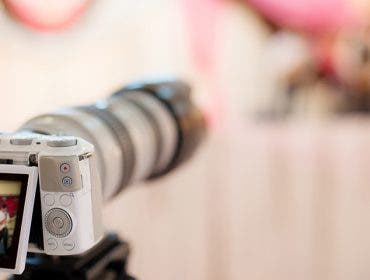
Whether you choose to shoot with a tripod, a monopod, or simply are careful to position yourself in an “anchored” position, you should be conscious to steady your camera when shooting extremely close-up. The smallest unintentional shifts in framing can change an entire shot.
3.Decide on a larger or smalleraperture.
The closer you are to your subject, the narrower the focus field. When shooting very close to your subject, be sure to select a smaller aperture if you choose to showcase more of the detail in your subject. However,if you are choosing to just showcase one piece in macro, and have the rest of the frame drop out of focus sharply, choosing a larger, or shallower, aperture is the best way to achieve this.
4. Choose a main point of interest.
When you’re shooting right up on your subject, the most minimal change in focus means an entirely different point of interest. Determine your main point of interest first, then set up your shot accordingly.
5. Be aware of wind and movement.
Macro subjects tend to move, especially when you’re shooting outside. Whether it’s a moving subject, like a bug, or a typically un-moving subject, like a leaf or a flower, there is often still movement due to elements like wind and rain. This is a good reason to use a fast shutter speed, so that if there is a bit of movement, you can still have a crisp capture. Try to shoot on calmer wind days or consider using a clamp of sorts to steady your subject.
6. Try shooting in a burst mode.
Most people reserve burst mode shooting for fast-moving subjects, but it can be quite useful when photographing macro subjects when the tiniest of movements can shift the whole image. Shooting in burst mode helps to ensure that you are more likely to capture the frame you were going for, even if it’s just one in a series you shot.
7. Utilize a remote trigger.
If you are finding that there is still some camera shake in your images, try utilizing a remote trigger when your camera is on a tripod. This will help to eliminate the issue of camera shake.
8. Avoid sharply sunny weather.
When photographing extremely thin objects like flowers or leaves, bright sunlight can be a difficult aspect to combat, as it can “burn” through your subject and cause hot spots, or parts of your image to be overexposed. Try shooting during cloudy days, utilizing shade, or creating shade as needed.
9.Choose backgrounds wisely.
When the background of your subject is shown, try seeking out a clean and uncluttered one to better help your subject pop. 10. Consider adding some elements. Photographing dew drops on a plant or raindrops on a window can make for some striking macro shots. But you don’t always have to wait for rain or dew – you can also use a simple spray bottle and delicately add drops to your subject, to bring out more visual interest in your image.
10. Consider adding some elements.
Photographing dew drops on a plantor raindrops on a window can make for some striking macro shots. But you don’t always have to wait for rain or dew – you can also use a simple spray bottle and delicately add drops to your subject, to bring out more visual interest in your image.