I remember the early 80s -the music, the hair (sniff), the clothes and, for me, my introduction to remote control (RC) cars, planes and helicopters. The biggest concern then was building it correctly, tracking the smell of gas through the house and getting yelled at by my mom. We could fly anywhere (for the most part) and people would come up to us in fascination, armed with tons of questions: how fast does it go? How high have you flown it? How long did it take to build? I’d lower the volume on my Walkman and answer their questions because this made me the cool guy, even for just a few minutes. I had no paperwork to fill out, no training classes and I could surround myself with like-minded folks who would help me tinker until it flew perfectly. A stellar landing in gusting winds made me a hero for a few weeks at the flying park.
Fast forward to 2015. The RC community has never been larger, never been so well trained, and never been the brunt of so much intense media and public scrutiny. Nowadays, many local flying parks are closed, victims of new rules, regulations, federal involvement and, frankly, fear of what we think we know and the fear of the unknown. I have been doing this long enough and have ample experience safely interacting with media, law enforcement, other pilots, the general public, and large crowds at fun events. The crazy thing here is, since 1982, I have never flown over large crowds, near an airport or a federal building, never buzzed kids in a playground, and never taken photos of anything that would make someone else uncomfortable -because the one tool I have that is always in my toolkit is common sense.
Nothing has taken this world to a darker place faster than the lack of basic common sense. A putz crashes his drone into The White House, another putz hits a passenger plane landing in London, another putz crashes into a crowd at a major sporting event, another putz flies his drone into the face of his best friend at a wedding. This list, unfortunately, grows every day. YouTube alone could just live on videos uploaded by putzes doing dumb things with their drones. Fortunately, the putzs are a small number compared to those of us that fly safely every day. But it’s putzs that get all the media attention and all the shares on Facebook and that, my friends, ushered in a new era, an era of THOU SHALL NOT accompanied by lots of new rules, regulations and laws.
Mandatory registration
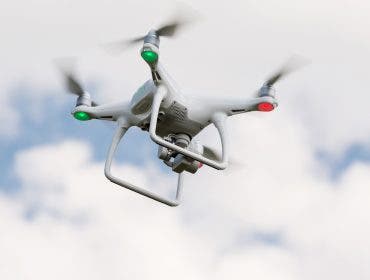
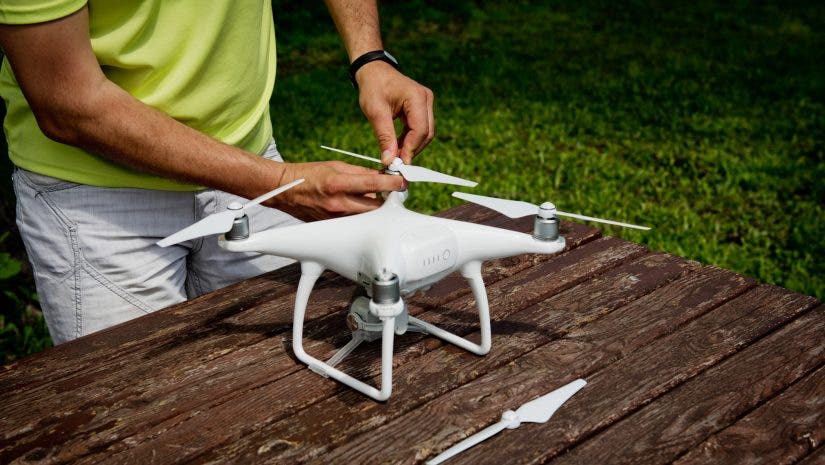
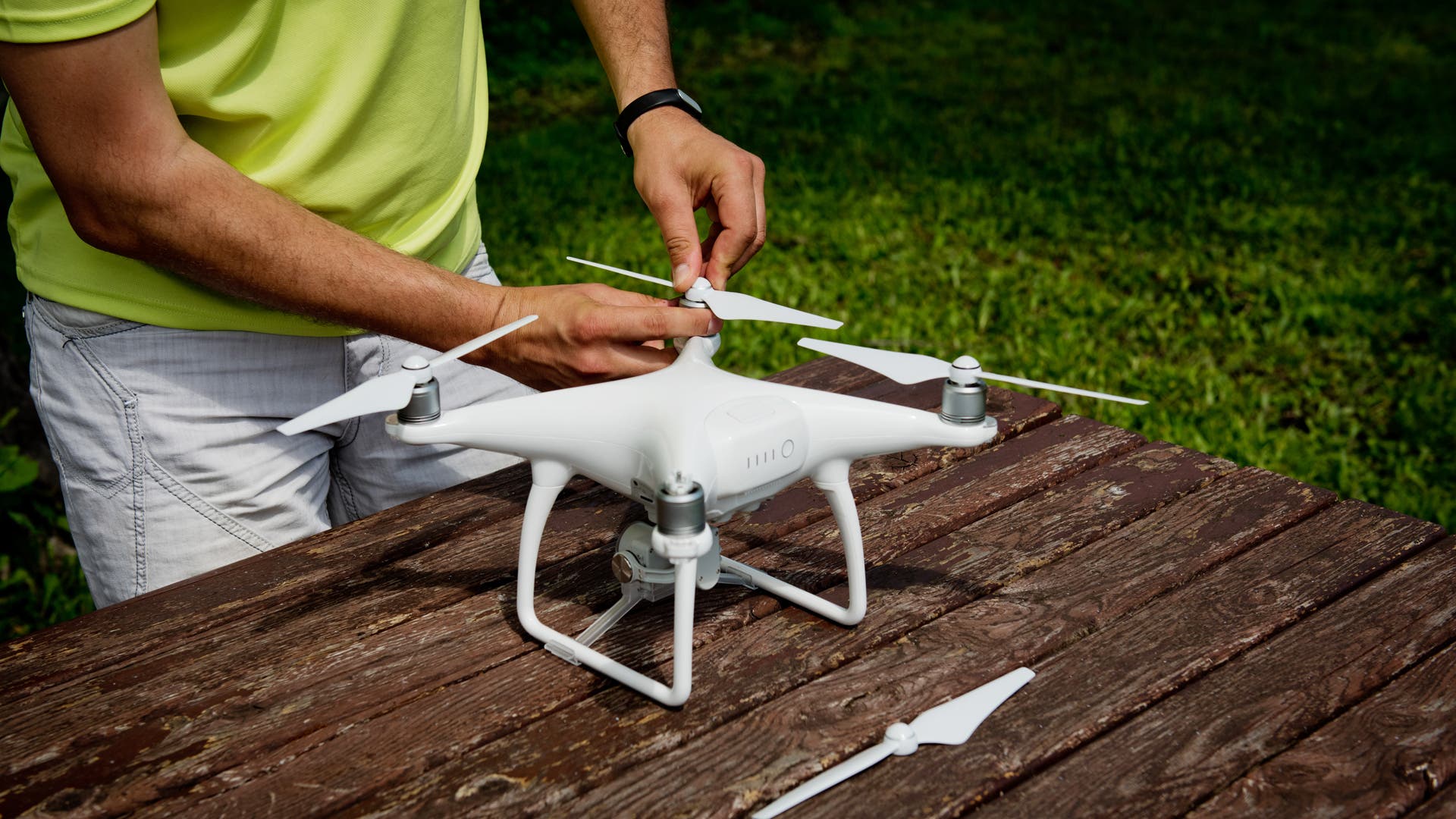
After I order my drone from Adorama, it arrives in record time and I get to enjoy the one thing that can’t change, the new RC smell when I open the box. After I open it is when the changes begin. The good news is, most of these Remotely Piloted Vehicles (RPVs), now called Drones (don’t get me started on why drone is a dumb name), come already assembled so you are able, just not allowed, to fly it right after the battery charges. Now we have steps to follow which include, but are not limited to, mandatory registration of all RPVs…er…drones that weigh between 0.55 lbs. (250 grams) and 55 lbs. (25 kg). The FAA site says clearly: You will be subject to civil and criminal penalties if you meet the criteria to register an unmanned aircraft and do not register and unless you are flying a micro-drone. This means you!

The one underlying goal I have in common with the FAA and other agencies that are involved with drones is safety. This comes back to common sense, however, far too many examples show that common sense does not come with the drone purchase. So, the Government steps in to regulate safety. At first, I wondered what purpose would registration even serve? Accountability. Short and sweet. When your drone is involved in an act that endangers others or even causes harm, a crashed drone with a tail number makes it easier for an effective investigation.
The registration is a pick-your-adventure book. After you create a login, you must let them know why you purchased a drone, for fun or for money? They don’t use that term; they use Recreation or Commercial use and that is all that means. The FAA has always had regulations in place for pilots that fly for fun or for money and those regulations were simply transferred to that small drone you just purchased.
Recreational flight restrictions
Most of you will want to fly for fun, playing with your kids, shooting amazing home movies, on vacation or as part of a cool flying group. The desire to fly recreationally does not exempt you from flight restrictions or common sense. The basics are pretty straightforward:
- I will fly below 400 feet
- I will fly within visual line of sight
- I will be aware of FAA airspace requirements: www.faa.gov/go/uastfr
- I will not fly directly over people
- I will not fly over stadiums and sports events
- I will not fly near emergency response efforts such as fires
- I will not fly near aircraft, especially near airports
- I will not fly under the influence
You can almost read this as a list of events that have happened over and over again in the media, but these rules, I feel, are fair and well-thought-out. Lots of drones can fly 2+ kilometers from the user and when you fly out of line of sight, you rely on a camera feed; you are also outside the guidelines set by the FAA. You may have a great set of goggles or fly using your iPhone and you may feel isolated and safe, but your drone is out there. The general public is catching on quickly that laws are in place. Now, the general public has putzs too. I have read of several drones being shot down by firearms. I still shake my head that someone feels that this is a legal option: the option to discharge a firearm because you fear your privacy is being invaded. The law sided with the drone owner in each case. The FAA is still working hard on regulations, but the police, the ATF, and the FBI have been enforcing laws in place for guns for quite some time. So let’s not turn drones into expensive skeet and keep your firearms out of the picture, ok?
Once your drone is registered, now you can play. But knowing where to play is important if you live in the Washington DC area, like I do, with largest no-fly zone in the continental US. Many drones come with software that will prevent you from flying into these zones and even prevent your drone from turning on if you attempt to take off in these areas. Log into https://www.faa.gov/uas/b4ufly/ to see where you can and cannot go.
Flying for profit
Now, what if you have chosen to make a profession out of your drone after you’ve seen the amazing applications this drone can have. This is the most talked about scenario in all of Droneville. (What? It’s a place!)
How do you legally charge a fee to fly drones? You must petition the FAA for a grant of exemption under Section 333 of the FAA’s regulations. The purpose of the Section 333 grant of exemption is to allow you to commercially fly a drone for the purpose of charging a fee. The current FAA regulation views and classifies your drone for hire as “Civil Aircraft.” That means, from a legal perspective, your drone shares the same classification as manned aircraft. The FAA, as of May 2016, has granted 5,195 exemptions to various agencies across the US. They include law enforcement, Hollywood camera houses, fire and rescue, investigation agencies, real estate firms and private citizens. When you have your Section 333 exemption, it does NOT mean you can fly anywhere for anything. In fact, your ability to fly is under a microscope. You must adhere to everything a “regular pilot” must do; this can mean opening flight plans, talking to agencies such as air traffic control and, if you are at the helm of the drone, you are an FAA registered pilot. By law, any aircraft operation in the national airspace requires a certified and registered aircraft, a licensed pilot, and operational approval.
I remember flying over a decade ago and if you told me that all of the Section 333 Exemption stuff was coming, I would have chuckled, not like I am humored, but the person that told me that was cuckoo. There is no way the FAA will require all this stuff! Why would they?! CRAZY!!
Now, it’s not so crazy anymore. These drones are affecting the way FAA does business and the way aircraft carrying hundreds of passengers fly safely. When someone wants to fly four miles out and one mile up, they need to know the rules and have a deep-seated understanding of the consequences.
My next article will cover Section 333 exemptions. This will affect you in one way or another if you want to fly your drone. I hear some recurring sayings like “The FAA does not have the manpower to enforce this” or “My drone has the radar signature of a gnat, who will know?” Why risk it? The FAA is a government agency, so there will be no speed records in getting the final regulations done, but don’t be a putz. Fly safe, fly legally, don’t be that guy.