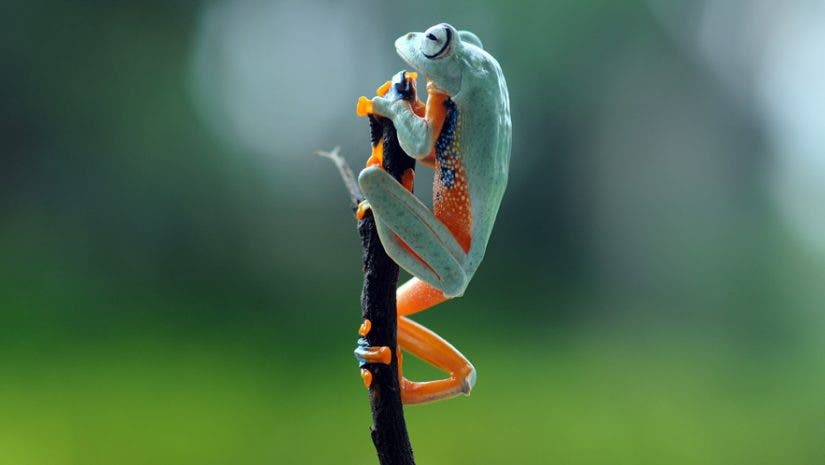
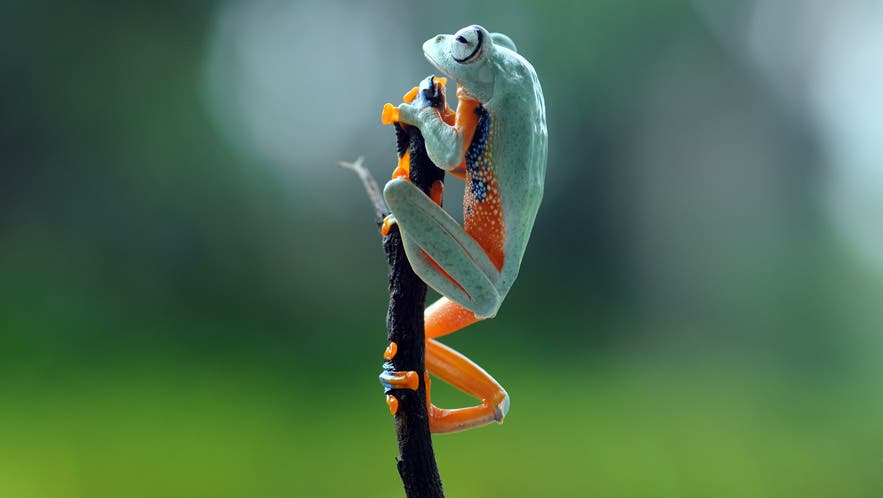
Macro photography is the art of capturing close-up shots of bugs, flowers, water droplets, and other small subjects. It involves using a life-size or greater amount of magnification when shooting these tiny creatures or objects. This niche is an important part of nature photography and scientific research, making it a broad learning field for photographers. Everybody would benefit from the right macro photography tips.
Just like other types of photography, macro photography has evolved throughout the years. During the analog era, enthusiasts had to use single-lens reflex cameras and some special equipment to capture macro shots. But nowadays, digital technology has made macro lens photography more accessible to photographers of all skill levels.
Macro photography is a challenging, yet very rewarding, niche to get into. It may take a while before you can capture that perfect macro image, but it’ll be worth it once you do. So, if you’re just starting out, we’ve got a few macro photography tips and tricks to help you take that winning shot.
Macro photography tips: Understand key terms
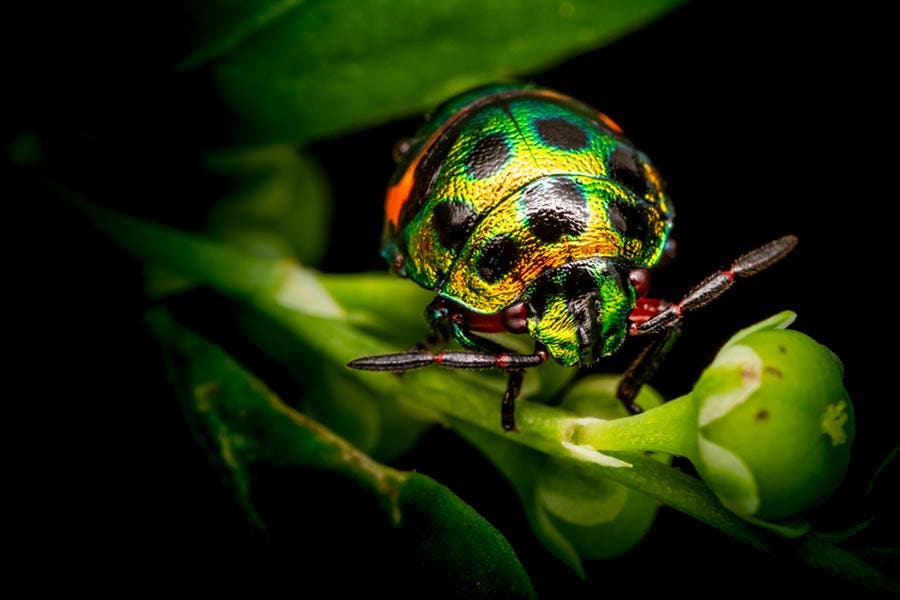
“Magnification” and “working distance” are both important terms in macro or close-up photography. But what do these words actually mean, and how do they help you shoot stunning macro shots? Let’s dig a little deeper into each term.
Magnification
Understanding how big or small your subject will look like on your camera sensor is an essential aspect of macro photography. Magnification is the value you get when you compare your subject’s size as seen by the sensor to its actual size. A 1:1 ratio simply means that your subject has reached “life-size” magnification. There’s also “half-life-size” magnification, which refers to 1:2 magnification.
Working distance
Working distance is the distance between the front of your lens and your nearest subject. Six inches (15 cm) is perfect if you want to shoot small subjects. Camera lenses will get the smallest working distance at 1:1 magnification. They can even achieve a larger distance if they have longer focal lengths.
Choose the right camera and lens for your images
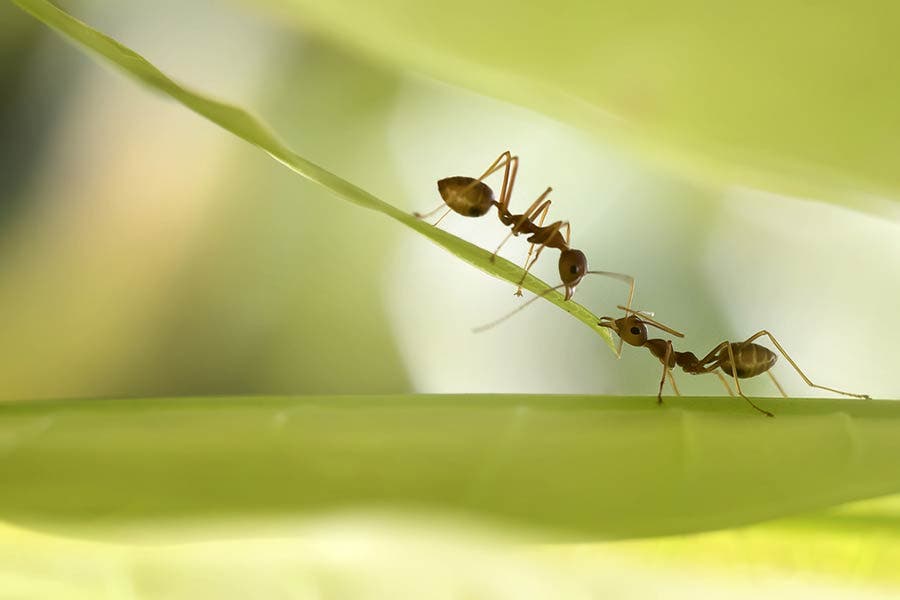
A photographer should have a good camera and lens in their arsenal, especially if they’re diving into macro photography. Here are some tips on picking the perfect combination for your close-up shots.
Cameras for Macro Photography
DSLR and mirrorless cameras are top choices for macro photography. If you’re planning to shoot macro photos with any of these cameras, you should get one that will let you use a good macro lens. Your camera should have as little lag as possible, too.
If you’re looking for a more budget-friendly option, a point-and-shoot model is a good alternative. These cameras are naturally good at close focusing, as their lenses have very short, single-digit focal ranges. Most point-and-shoots can even focus down to a few centimeters from their front lens elements to help you capture macro photos easily.
Whether you’re leaning on a DSLR, mirrorless, or point-and-shoot camera, many brands offer suitable models for macro lens photography. Have a look at some of our top picks below.
DSLR cameras
Nikon D7500
Kicking off our best macro camera list is the Nikon D7500, which boasts a 20.9-megapixel, DX-format sensor, and the brand’s EXPEED 5 processor. It also has a wide ISO range (from ISO 100 to 51200) to help you get clearer, less noisy photos in low light. And for your lighting needs, the D7500 comes with an Active D-Lighting function. This feature keeps highlights and shadows detailed in high-contrast scenes.
Canon EOS 5DS R
The EOS 5DS R has a 50.6 Megapixel Full-frame CMOS sensor that lets you shoot colorful yet detailed scenes. Canon’s dual Digic 6 processors give you high image quality and fast camera operation even in low light.
Mirrorless cameras
Olympus PEN E-PL8
The Olympus PEN E-PL8 features an enhanced design which virtually makes it a stand-alone accessory. But look beyond its stylish package and you’ll get great image quality and performance. Capturing nightscapes and low-light scenes (including macro images) is a breeze with the camera’s image stabilization. It also packs a large lens and Micro Four Thirds Live MOS sensor for stunning bokeh.
Point-and-shoot cameras
Sony Cyber-Shot DSC-RX10 III
There are a lot of point-and-shoots on the market today that can capture amazing macro shots. Sony’s Cyber-Shot DSC-RX10 III features a 1.0-type stacked CMOS sensor and a 25x optical zoom lens with a 24-600mm focal length range. The lens boasts an f/2.4 to f/4 aperture range as well. This sensor-lens combination helps subjects (especially in extreme close-ups) become stunning stand-outs.
Nikon Coolpix W300
Nikon’s Coolpix W300 is another perfect camera for shooting macro photos outdoors. It features a 16-megapixel, backside-illuminated CMOS sensor, as well as a NIKKOR lens with 5x optical zoom and Hybrid Vibration Reduction. The camera is water, freeze, shock, and dust-proof, too.
Panasonic LUMIX DC-FZ80
Panasonic also offers point-and-shoot models that can work as macro cameras. The LUMIX DC-FZ80 delivers a variety of focal lengths for different shots. Its focal range starts at a 20mm wide-angle and can reach up to 60X zoom length. The camera also performs well in low light.
Panasonic LUMIX DMC-LX10
You may also want to consider the LUMIX DMC-LX10, with its 20.1-megapixel High Sensitivity MOS sensor. The sensor captures super-sharp, high-quality images. The DMC-LX10 can also capture beautiful pictures at up to ISO 12800 (expandable to ISO 25600) with the sensor and Venus Engine combination.
Picking the perfect macro lens for your camera
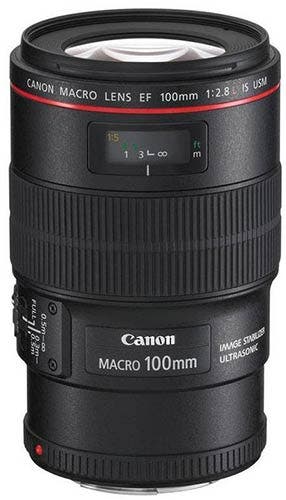
Now that you’ve got your camera, it’s time to pair it with a good macro lens. Enthusiasts have a few great options, including extension tubes and reversing lenses. A standard camera lens with extension tubes on it offers some magnification, while a reversed lens and extension tubes deliver greater magnification.
But if you’re new to macro photography, a dedicated lens for your camera is the most convenient and versatile option that you have. A lot of popular macro lenses have focal lengths between 90 to 105mm and 1:1 magnification. Other lenses feature shorter focal lengths with shorter working distances. So they might need you to come closer to your subject as you shoot.
Many brands offer macro lenses for DSLRs and mirrorless cameras in different focal lengths. Here’s a couple of lenses you might want to try out:
- Canon EF 100mm f/2.8L IS USM Macro AF Lens
- Nikon 60mm f/2.8G AF-S Micro NIKKOR AF ED Lens
- Tokina AT-X PRO D 100mm f/2.8 Macro Lens for Canon EF Mount
- Sigma 105mm f/2.8 EX DG HSM Macro Lens for Nikon DSLR
- Rokinon 100mm f/2.8 Full-Frame Macro Lens for Sony E Mount
- Olympus M. Zuiko Digital ED 60mm f/2.8 Macro Lens MSC
- Canon EF-M 28mm f/3.5 Macro IS STM Lens
You can learn more about some of these lenses in our guide to the top macro lenses for DSLR and mirrorless models.
Pick the best location and weather to shoot macro photos
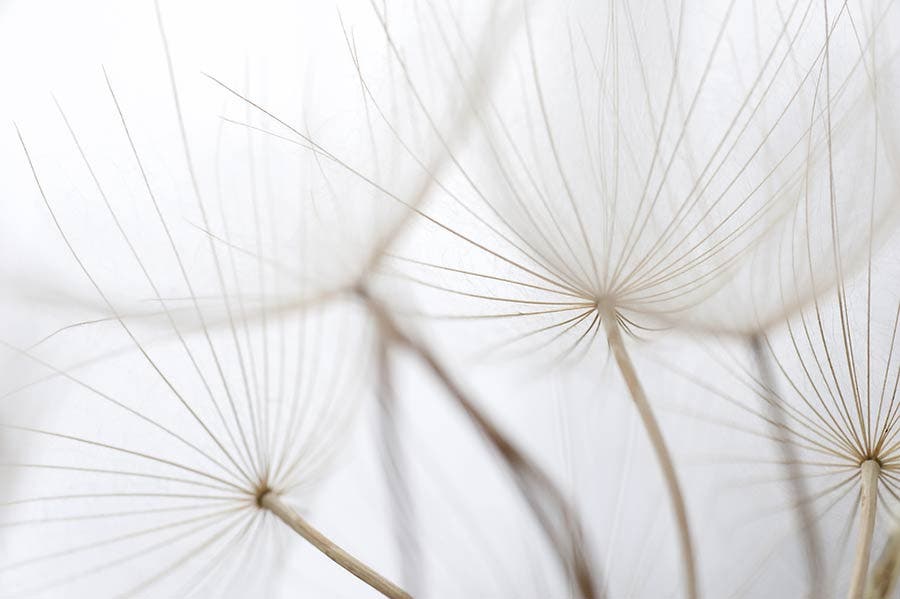
Small bugs and insects are among the most interesting subjects in macro lens photography, as well as flowers and plants. Locations that have plenty of flowers and plants will give you many opportunities for macro shots. As for bugs and insects, these creatures are more active in warm outdoor temperatures. This means you should go out and shoot them at around 62°F (17°C) or warmer.
It’s also great to capture insects in colder weather since they stay still in their habitat. A few macro enthusiasts travel to certain places early in the morning during summer so they can see and capture sleeping insects. You’ll also get softer light with overcast weather, making it a much better climate than sunny conditions to capture macro images.
Learn bug behavior
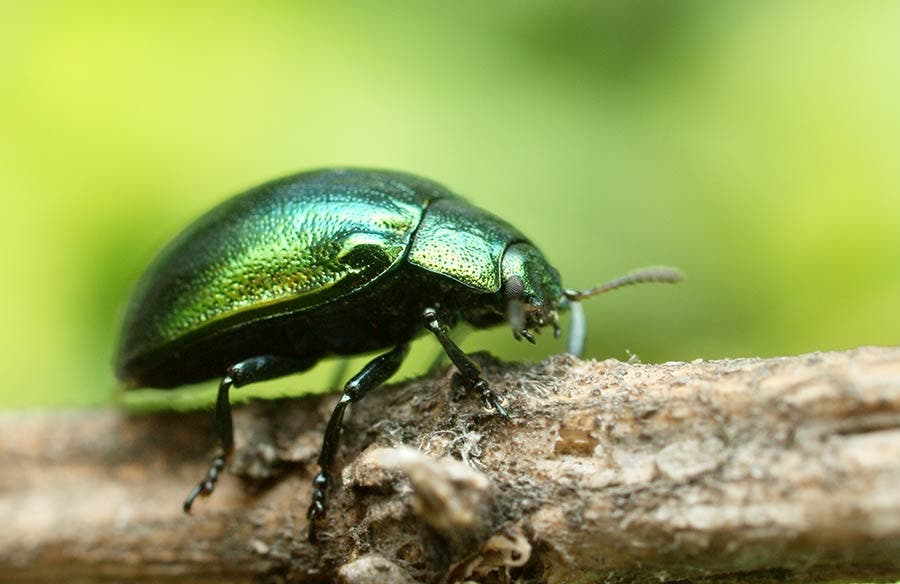
This tip is very important if you’re working with bugs. There are bugs that fly away when you come close to them, adapt to your presence within a few minutes, or completely ignore you. Shooting plenty of macro images is great for learning bug behavior: You’ll easily predict your subject’s next move when you do.
Use flash and diffuse it
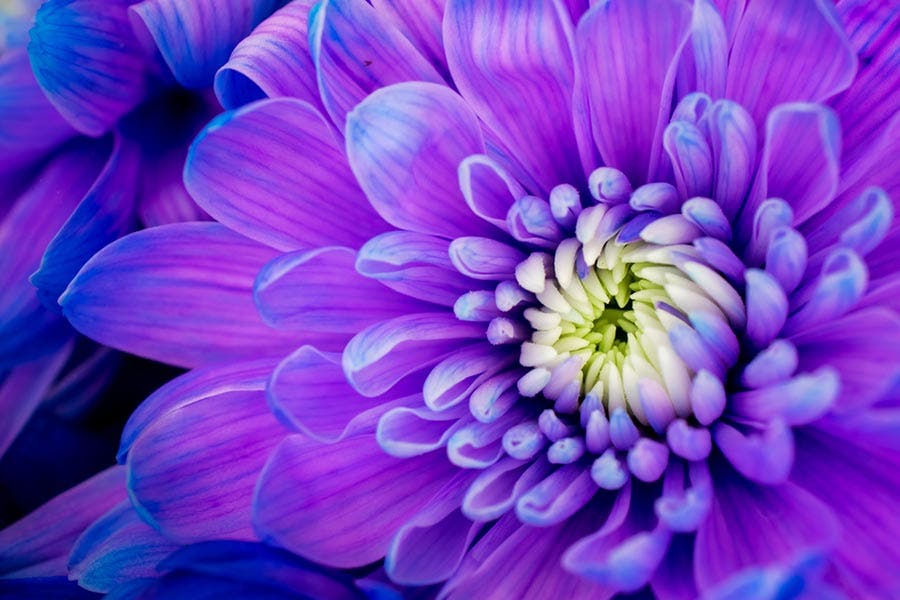
Macro photography makes capturing enough light rather challenging. Maybe it’s because you’re using high levels of magnification. Or perhaps it’s because the close focus on your camera magnifies motion blur and blur from camera shake, or you’re blocking more natural light when you come closer to your subject. Using flash can help you solve any of these issues: it fills in your preferred amount of light and quickly freezes motion.
But camera flashes can also give you harsh lighting and glaring specular reflections when you use them for macro shots. A diffuser will prove useful in these situations: It lets you extend the flash area and produce a much softer light.
Use manual focus
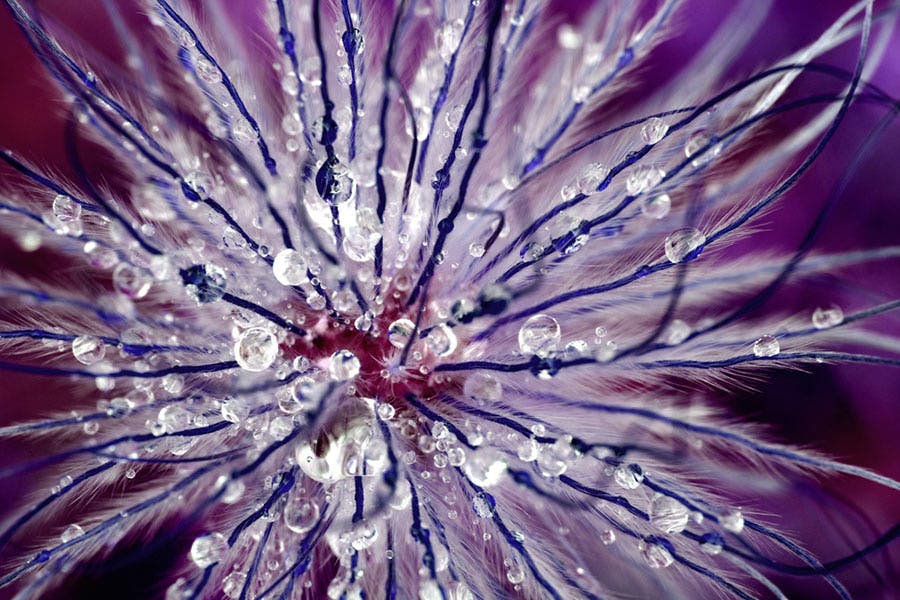
Your camera’s autofocus can’t do quick enough movement tracking in extreme close-ups. Manual focus will let you capture the best macro images if you have a DSLR or mirrorless camera.
Deal with the depth of field dilemma
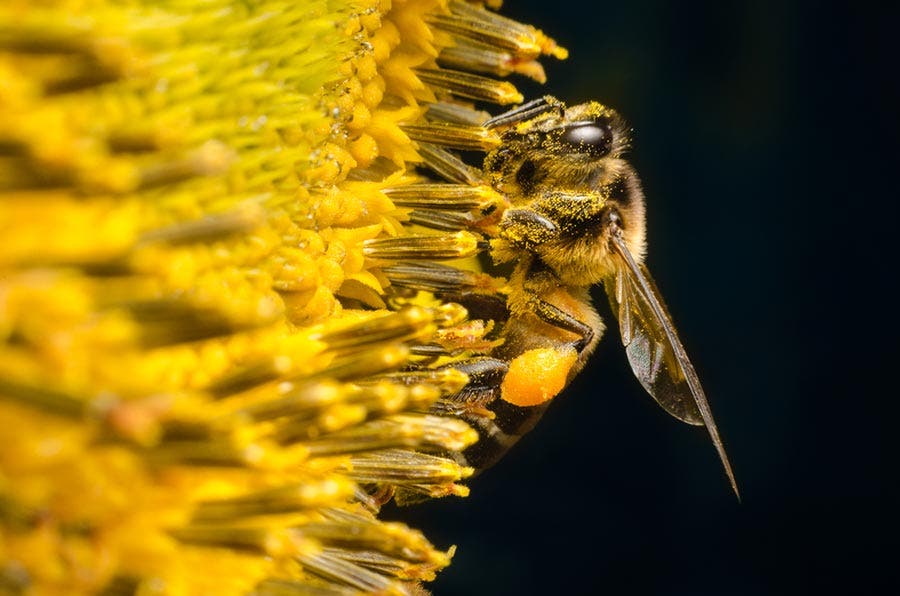
Moving a lot closer to your subject will result in a shallower depth of field. Focusing on your subject can get really challenging when you get a shallow DOF. To solve this issue, you’ll have to lower your camera’s aperture for more DOF. But beware: the step might require setting a lower shutter speed as lower apertures give you less light.
If all else fails, you’ll need to shoot plenty of images, learn more about what your camera can do, and find the best aperture-shutter speed-ISO combination for your shots.
Shoot your subjects from different angles
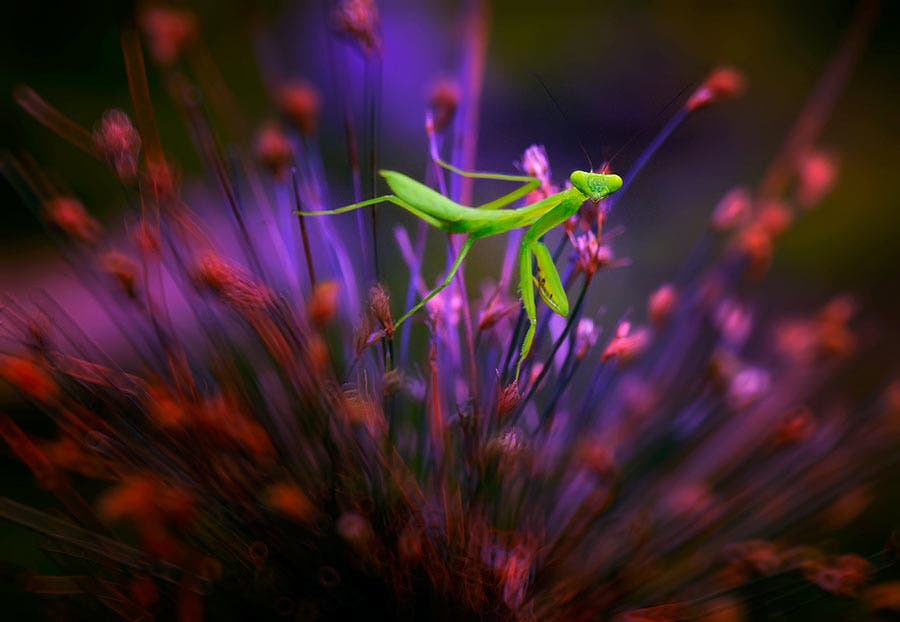
Macro photography newbies usually capture their subject from their current position and stand towards it at 45°. Your photos will look boring if you make the same mistake, so finding unique angles is key. Try capturing your subject from the side, the front, or below. You can also get a more intriguing angle and a more stunning background when you pull up the plant or leaf that your subject is resting on.