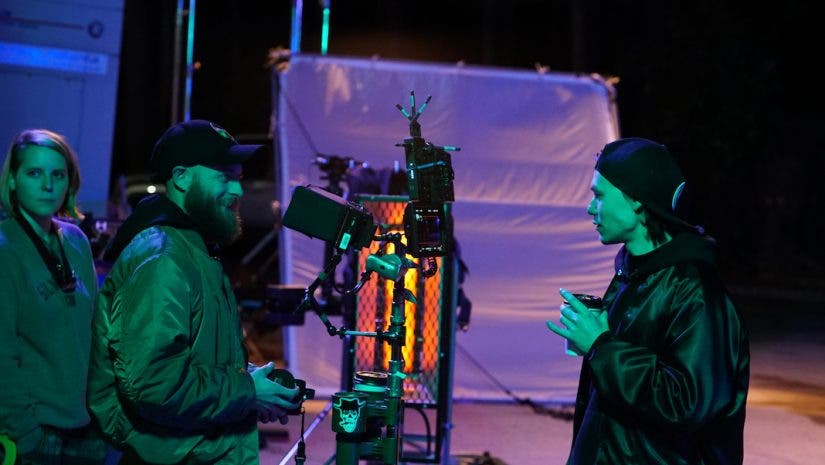
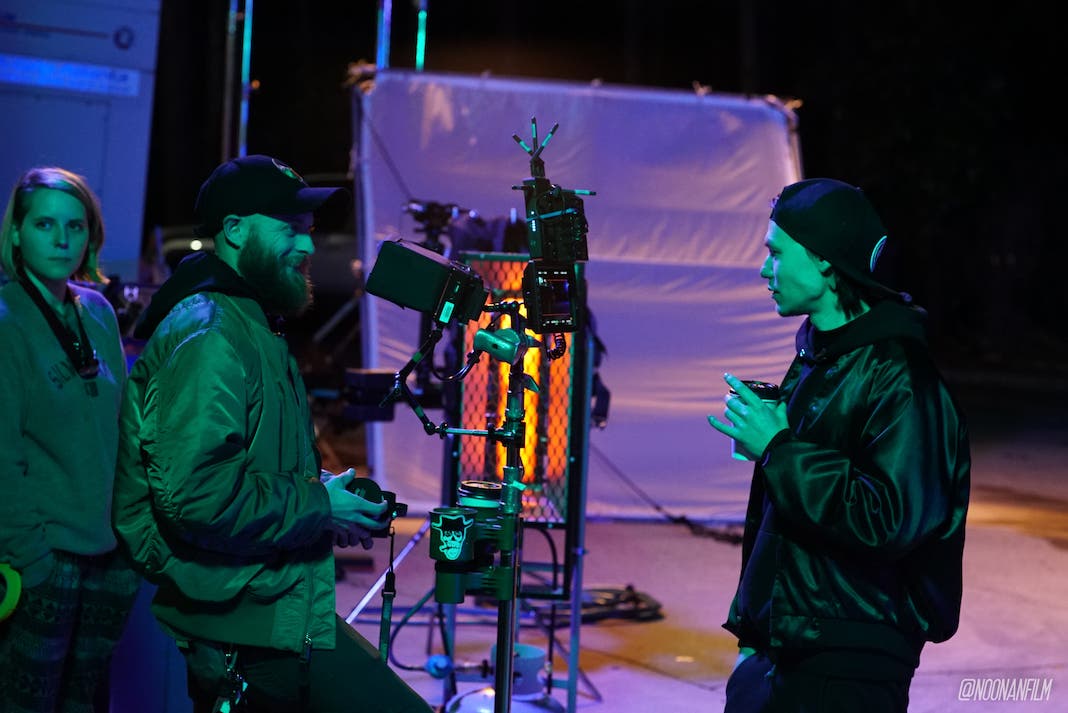
Between conceiving the idea and coordinating shoots, and working with artists and teams to build out a vision from scratch, there are countless steps that go into making a music video.
Adorama recently caught up with music video director Tyler Yee (who has worked with the likes of G-Eazy, as well as Big K.R.I.T. on his latest video) to get his tips on what you need to know — and the things you may not think about — when filming a music video. Here’s what he had to say:
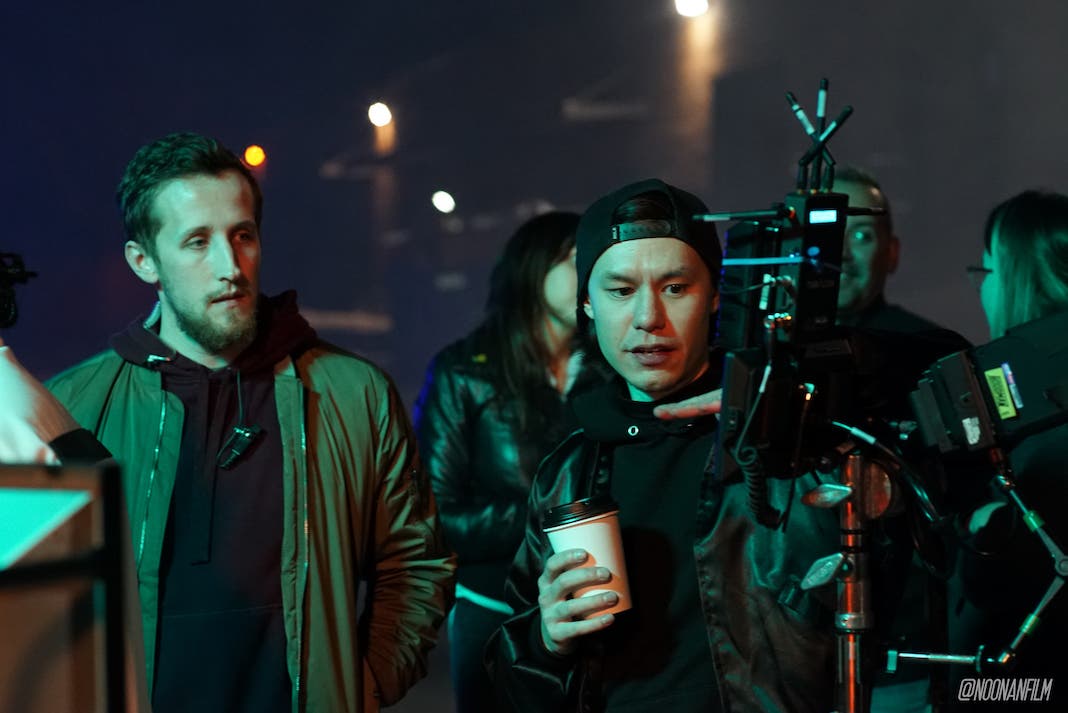
1. Manage expectations
Today more than ever, mostly due to the accessibility of filmmaking, there is a skewed perception in how much time and money it takes to create. Don’t bite off more than you can chew — don’t be afraid to scale back a concept, and make sure you’re communicating what is and is not possible to the artist/client. With any project, make sure you don’t over-promise and under-deliver. The goal, no matter what, is to build genuine relationships with the people with whom you work because the entertainment and music industry is small, so word travels quickly. Quality of work is important, but your reputation as a human, how you treat others and conduct business is paramount.
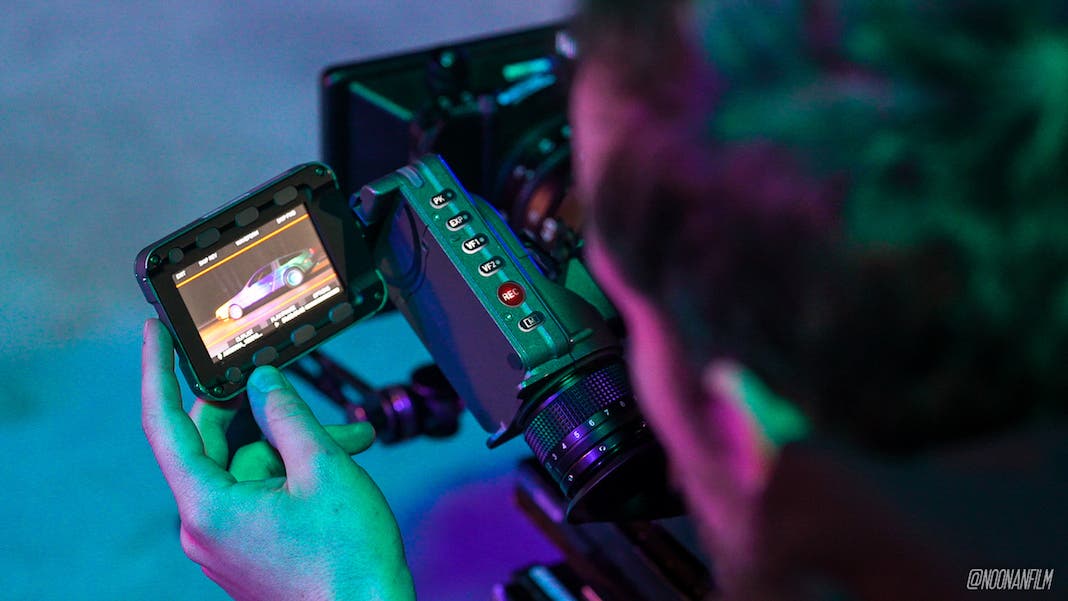
2. Think beyond the video
Is this artist established? If so, make sure you do your research on their past projects, style, branding, energy. Unless the artist or label is going for a completely new identity, use that pre-existing knowledge as a foundation from which to build your imagery; then explore ways to make the piece exciting and different. If the artist is new or indie, realize that they are a product, and like all products, brand identity is key. Depending on their style, genre, etc., focus on what makes them most unique, and highlight it rather than forcing them into the latest trend. Artists, companies, and labels alike will appreciate you that much more when you open up a dialogue about branding, big picture goals, and longevity up front.
3. Consider simplicity
A simple idea with solid execution is often better than average execution of a complex idea.
4. Have a plan, but leave room for improv
The more fleshed out your idea, shots, framing, lighting, styling, and color palette, the better it will be. Assume that everything which can go wrong, will go wrong — so always have a plan B, and C. Always be open to inspiration in the moment while shooting. I can’t tell you how many times an improvised setup ended up being the strongest shot in the video, as much as I’d love to pretend it wasn’t.
5. Coverage
Music videos can get repetitive very quickly. It’s much easier to discard excess footage than to have to stretch an inadequate amount of footage. Make sure you have enough varying performance setups and b-roll content. In the edit, feel out those moments when you need to introduce unused footage to keep your viewers’ attention.